Master Craftsmen

In Stainless Steel Fabrication

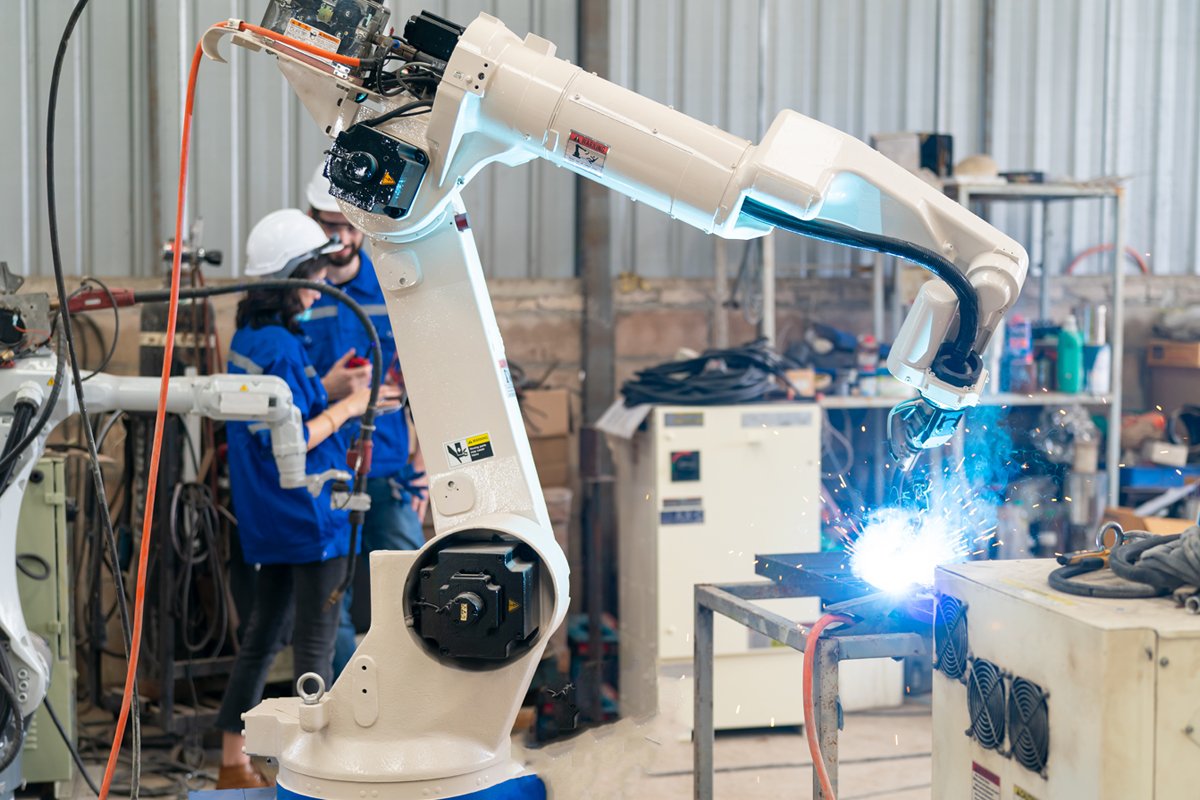
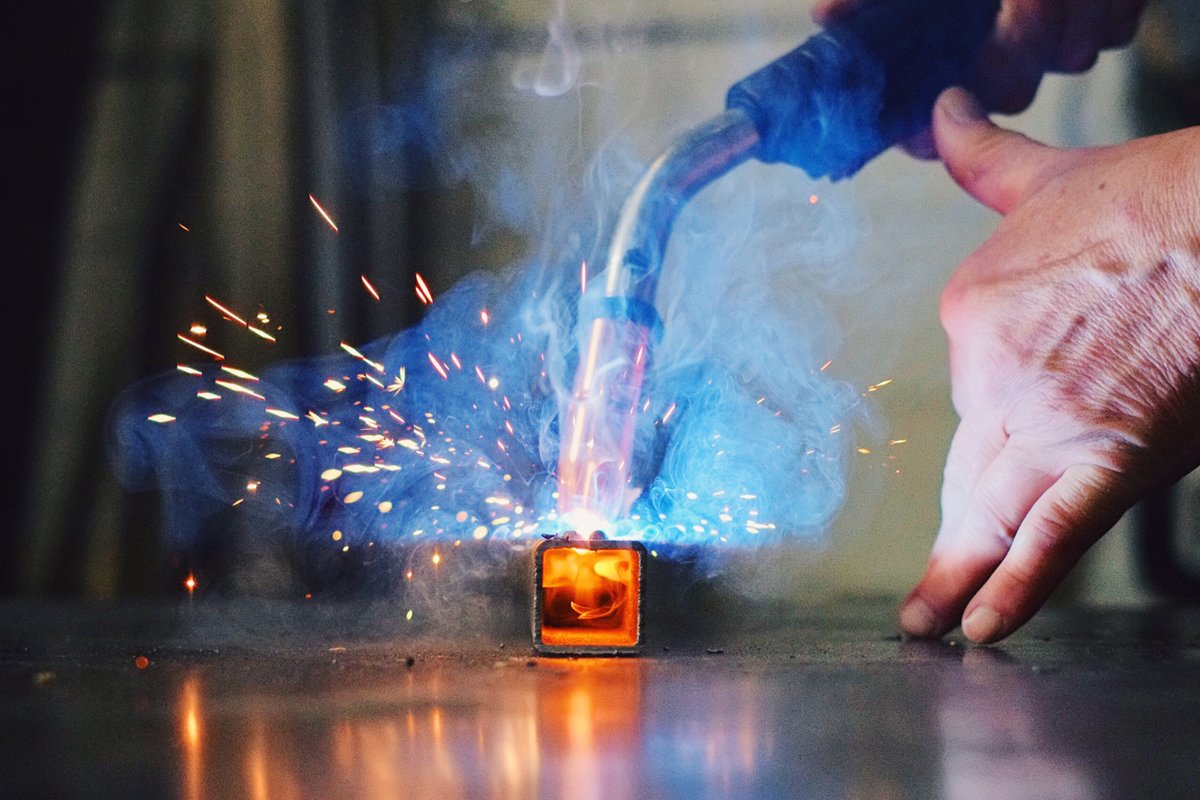
Our welders are masters of reducing heat input and eliminating distortion. Weld automation improves weld quality and consistency.

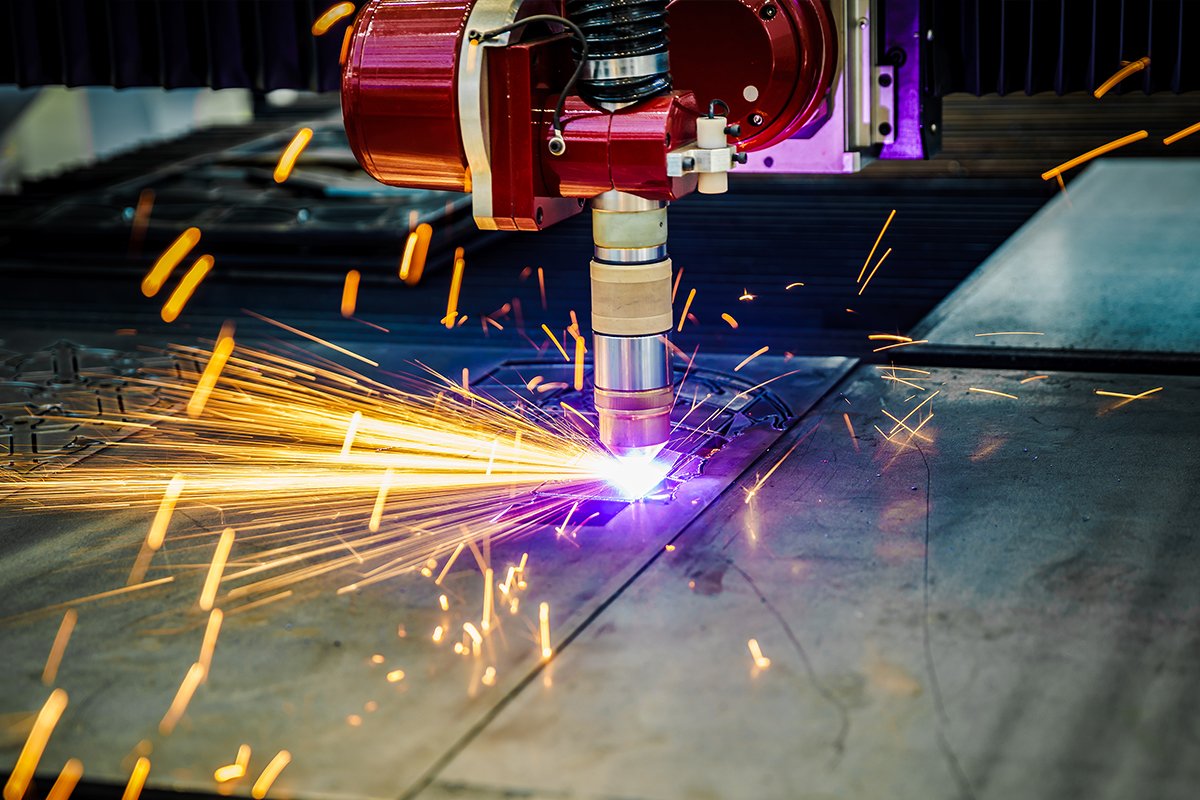
As a stainless steel specialist, we standardize on high-pressure nitrogen as the assist gas for stainless steel, which produces bright, oxide-free edges that are weld-ready. This eliminates the black scale that must be ground off, reduces the heat-affected zone (HAZ), and ensures tight-tolerance fit-up and corrosion resistance. Advanced Press Brake Forming Stainless steel springs back more than mild steel. Our expert operators and 6-axis CNC press brakes compensate with programmed over-bend and in-line automatic bend angle measurement. We also have tooling specifically chosen to be ideal for stainless steels.

A Process Portfolio Matched to the Job TIG/GTAW: Used for thin, critical, or highly visible welds, delivering low heat input and top-tier aesthetics. Pulsed MIG/GMAW-P: Provides higher productivity on thicker sections while precisely controlling heat input and eliminating spatter. We use argon-rich gas mixes tailored for stainless steel. Robotic & Laser Welding: For high-volume repeatability and large assemblies, our robotic cells ensure consistency. For minimal distortion, our laser welding capabilities provide unparalleled precision. Back-Purging as Standard Practice We seal and purge the root side of welds with argon gas to prevent oxidation (“sugaring”), preserving corrosion resistance inside tanks, pipe spools, and enclosed chambers. Where specified, we verify purge quality with a digital oxygen analyzer to ensure perfection. Correct Filler Metal, Every Time Our AWS-certified welders follow exact procedures: 304L is welded with 308L, 316L with 316L, and dissimilar transitions (e.g., stainless to carbon) with 309L. This is documented and verified, ensuring the final weldment meets or exceeds the corrosion performance of the parent material. Distortion Control by Design Our process begins with precision-cut parts that ensure excellent fit-up. We then employ strategic tacking plans, balanced welding sequences, strict heat-input limits, and robust fixturing to keep components straight and dimensions true through the entire fabrication process.

Mechanical & Chemical Cleaning Post-weld, we use dedicated stainless-only brushes to remove heat tint. For more demanding applications, we perform pickling using a controlled HF/HNO₃ process to remove the chromium-depleted layer, bringing the surface back to its fully alloyed state. Final Passivation to ASTM Standards We perform final passivation in accordance with ASTM A380/A967 standards. We use either nitric or citric acid processes to dissolve any residual free iron and promote a uniform, corrosion-resistant chromium-oxide film. Citric options are available for food-adjacent environments. Upon request, verification tests (water-break, copper-sulfate, or ferroxyl) can be included in your final documentation package.

3D-to-Shop Integration: We program directly from your 3D models, ensuring design intent is maintained from cutting and forming through final inspection. Advanced Inspection: Our Leica AT960 laser tracker enables rapid, high-precision dimensional checks and as-built verification against your model. Comprehensive Quality Records: We can deliver a complete data package, including MTRs, PMI logs, weld maps, passivation certifications, and final inspection reports—organized and delivered with your shipment.

Water & Wastewater: Clarifiers, troughs, baffles, covers, aeration piping, skids, and frames. Power, Energy & Chemical: Ducting, scrubber internals, dampers, support structures, tanks, and chutes. Food & Beverage (Non-Sanitary): Structural frames, conveyors, guards, and enclosures finished for maximum corrosion resistance. Pulp & Paper / Mining: Chutes, hoods, platforms, and washdown-rated equipment.

Positive Material Identification (PMI) You Can Trust

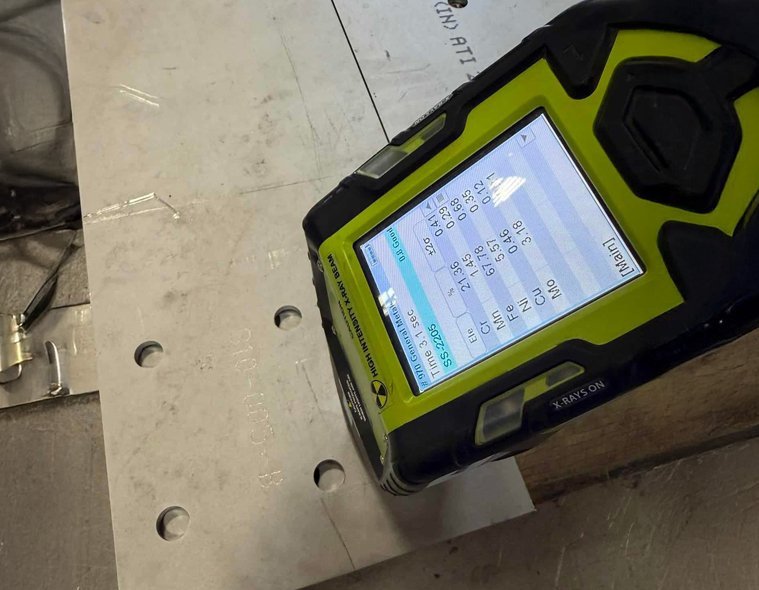
While many fabricators rely solely on MTRs for materials, we know the supply chain includes both human error and outright fraud. That’s why we use X-Ray Fluorescence (XRF) for PMI. Besides use in standard procedures for receiving and auditing materials, we also can specify on your ITP to verify every critical component with our in-house Niton XRF analyzer.
about-us-image

45

+
Green Spaces

15

Skilled Professinals

2

K
Happy Clients

1

K
Successful Projects
banner-image

5

+
Year’s Of
Experience

Dedicated 40,000 SQFT Building for Stainless Steel Fabrication

40,000 sq ft building engineered to protect stainless steel from cross-contamination and quality loss.

No carbon steel allowed in our dedicated stainless facility
Weld prep and grinding areas isolated from clean assembly zones
Stainless-only welding stations eliminate carbon particulate exposure

Why it matters: Cross-contamination is a critical risk in stainless steel fabrication—one that many job shops overlook. Our environment is built to protect finish quality, corrosion resistance, and compliance from the start. Whether you’re in pharma, food, water, or OEM systems, this level of discipline ensures your product performs—and passes inspection in critical stainless steel fabrications.